How important it is to take rest seriously
Article from the archive. Dates and seasonal offers in the text refer to the time of publication. Check the current information on the linked page below the article.
Excessive exposure to stress, too many stimuli and too much digital information overload our mind and leave us without enough time for (good, quality) rest. Today, stress is the cause of as many as 75% of illnesses. The constantly activated sympathetic branch of the autonomic nervous system, driven by the non-stop production of the stress hormones adrenaline and cortisol, forces our body to work overtime and be constantly tense.
Article text
Over time, this can lead to hypertension, headaches and insomnia, damage to the hypothalamus and memory loss, strain on the endocrine and cardiovascular systems, depression, chronic fatigue, anxiety, muscle pain, digestive disorders and a tendency to gain weight, and much more.
It often happens that we rest, yet we are still not rested.
It is important to take rest seriously because today we are increasingly losing that precious balance between the sympathetic and parasympathetic systems, in other words between work and rest. We often come back from our holidays even more tired than when we left. And we have already said where all this leads.
Learn to slow down!
Time spent in nature will help us slow down to a pace of life that suits us more naturally. And while experts say that people in the 21st century spend 87% of their lives indoors, various studies confirm that contact with the natural outdoor environment has significant health benefits. When you are in nature, whether on holiday or on a weekend break, learn to observe the nature around you, use your senses to take in the moments around you and be sure to unplug from technology. A digital detox will also slow down the flood of information that bombards our mind and senses every day. Just like deep breathing, slowing down will have a calming effect on our overstimulated nervous system.
Why is good-quality rest important?
The body and mind need good-quality rest, and by activating the parasympathetic branch of the nervous system, the body gets the chance to renew, revitalise and rid itself of toxins. Blood flow is redirected through the digestive system and other non-muscular organs, and only then can relaxation and unwinding set in. And when we are relaxed, our breathing becomes deep and calm (and vice versa), which means the body can then take in more oxygen, which is important for all of the body’s functions.
By walking in nature, in fresh air and daylight (which stimulates the release of happiness hormones), and by breathing deeply, we can activate the parasympathetic nervous system by as much as 56%, experts say. And according to research by the European Society of Cardiology, those who walk for at least 25 minutes every day extend their life by three years. Certainly, once we learn to slow down and start to relax, our immunity will increase and our cognitive functions will improve, cortisol levels will fall, as will the activity of the sympathetic nervous system in general, and blood pressure and heart rate will decrease.
The Japanese method of rest
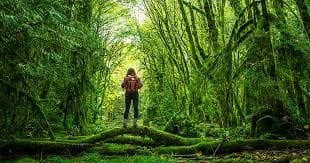
The Japanese relaxation philosophy Shinrin Yoku, which means forest bathing, teaches us about recharging with the energy of the forest and the natural environment. Besides improving immunity, a walk in the forest brings many benefits precisely because we breathe in phytoncides – antimicrobial plant compounds that trees release to protect themselves from bacteria, fungi and insects. Camping Plitvice and the nearby Plitvice Lakes National Park provide exactly the kind of natural environment that will relax you, recharge your batteries and give you a forest bath.
So take rest very seriously, unwind in a not-so-serious way and come back from your holiday truly rested.